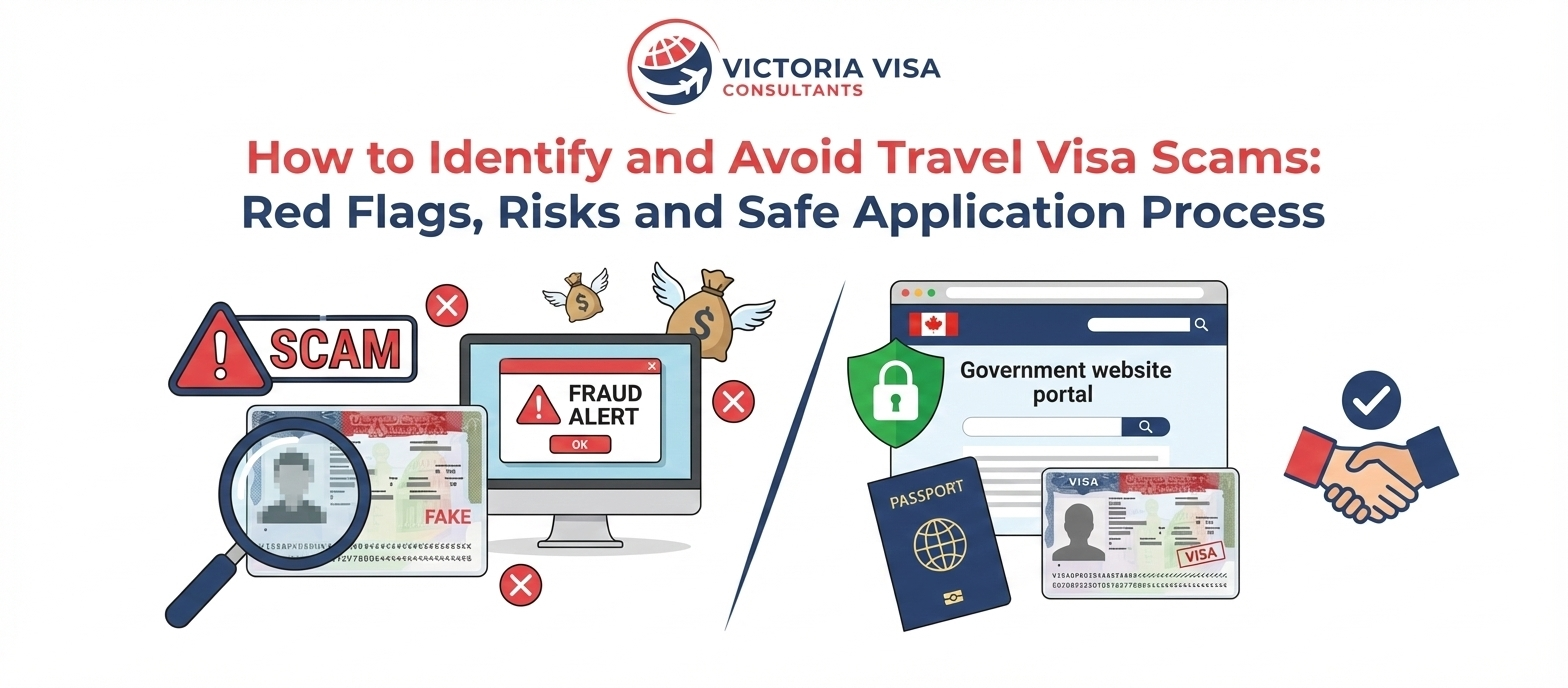
How to Identify and Avoid Travel Visa Scams: Red Flags, Risks and Safe Application Process
Learn how to identify and travel visa scams, protect your personal information, and ensure a smooth visa application
By Joel Wachira | Dec. 22, 2025, 7:17 p.m.
Why Visa Scams Are Rising
International travel is increasing again, but visa systems are becoming more complex. Many countries have tightened screening rules, reduced appointment availability, and increased processing times. These conditions create confusion and urgency. Visa scammers thrive in that gap.
Across Africa, India, and other high-mobility regions, fraudulent visa schemes have grown sharply. Fake agents target students, job seekers, tourists, and families who want faster or easier access to visas. Victims frequently lose money, personal documents, and future travel opportunities. Understanding how these scams operate is the first line of defence.
Common Types of Travel Visa Scams in 2025
Visa scams are designed to look legitimate. They copy real processes, official language, and trusted institutions. The difference is not always obvious at first glance.
(a) Guaranteed Visa Approval Schemes
Some agents promise “100% approval,” “guaranteed results,” or “inside embassy connections.” These claims are false.
No consultant, agency, or intermediary can guarantee a visa outcome. Immigration officers make decisions independently, based on law and policy. Anyone who promises approval in exchange for money is misleading you.
(b) Fake Job Offers Linked to Visas
This scam targets applicants seeking work abroad. Victims receive convincing job offer letters for countries such as Canada, the UK, or the UAE. The offer comes with a request to pay for visa processing, work permits, or “secured slots.” Legitimate employers do not charge candidates for visas. If payment is required upfront, the job offer is not genuine.
(c) Phony Websites and Phishing Links
Fraudsters create websites that closely resemble embassy portals or visa centres. They copy logos, layouts, and even web addresses with minor spelling changes.
These sites collect passport details, personal data, and payments. Many applicants only realise the fraud when they receive no confirmation or when the embassy rejects their documents.
Always check domain names carefully. Official government websites use recognised domains and secure connections.
(d) Unsolicited Emails, Calls, and WhatsApp Messages
Scammers usually contact applicants directly. Messages or emails may claim to come from an embassy, visa centre, or immigration officer. They request documents, verification codes, or urgent payments.
Governments do not initiate visa processing through informal channels. Any unsolicited message or emails demanding action should be treated with caution.
(e) Fake Documents and Appointment Sales
Some agents sell counterfeit visas, forged approval letters, or early appointment slots. These documents may look authentic but fail verification checks.
Victims usually discover the fraud at the embassy, airport, or border. By then, the financial loss and travel consequences are severe.
Red Flags When Dealing with Visa Consultants or Agents
- No licensing, accreditation, or verifiable registration: Visa scams mainly succeed because applicants assume all consultants operate under the same standards. They do not. Clear warning signs appear early if you know what to watch for. One major red flag is the absence of verifiable credentials. Legitimate consultants operate under recognised regulatory frameworks and can prove their registration. Scammers avoid providing licensing details or give vague answers when asked.
- Requests for cash, crypto, or WhatsApp-based payments: Payment methods also hint about visa scam risk. Requests for cash, wire transfers, mobile money, cryptocurrency, or WhatsApp payments should raise immediate concern. These channels offer little or no protection once money changes hands. Reputable firms issue invoices and use traceable payment systems.
- Hidden charges or vague processing fees: Another warning sign is unclear pricing. Fraudulent agents habitually quote a low initial fee, then introduce additional charges for “speed,” “embassy access,” or “special handling.” Legitimate services explain fees upfront and do not invent costs during the process.
- Pressure tactics: Pressure tactics are common. Scammers create urgency by claiming appointment slots are about to expire or that policies are changing overnight. Common phrases include “limited slots” or “last chance today.” They push for payment before reviewing documents. This is suspicious, considering they do not have a physical location where you can go to claim your money. Ethical visa consultants assess eligibility first and allow clients time to decide. Again, even if ethical consultants request for payment before, at least, they have a physical office.
- False credibility is another tactic: Fake testimonials, stock photos, and sudden large-scale advertising campaigns are used to hide a lack of real experience. A rapid online presence does not equal a proven track record.
How to Verify a Visa Consultant or Agency
Verification is the most effective way to prevent visa fraud. A few deliberate checks can eliminate most risks
(a) Check Official Credentials
Start with official credentials. Check whether the consultant is licensed or accredited under the relevant regulatory body for the destination country. If verification is not possible, do not proceed.
(b) Cross-Check Online Reputation
Confirm the agency’s business presence. Legitimate firms have physical offices, professional contact details, and consistent branding. A business that operates only through social media or messaging apps deserves scrutiny. Also, review independent feedback. Look beyond testimonials on the company’s website. Search for reviews on neutral platforms and scan for repeated complaints or unresolved disputes.
(c) Examine Communication Practices
Professional consultants use official email domains and provide written agreements that define services, responsibilities, and limitations. They do not avoid contracts or rely on verbal assurances. Also, test their transparency. Ask direct questions about eligibility, risks, timelines, and outcomes. Honest consultants explain both strengths and weaknesses of an application. Scammers avoid specifics and redirect conversations toward payment.
Use Official Government Channels
Government sources should always be the starting point for any visa application. Official embassy and immigration websites publish accurate requirements, forms, and fees.
Most visa applications begin online. Forms such as tourist, work, or study visa applications are available directly from government portals. Many are free to complete and do not require an intermediary.
Visa Application Centres play a limited role. They collect documents and biometrics on behalf of governments. They do not influence approval decisions. Any claim of preferential treatment through these centres is false.
Applicants should avoid information from social media groups, forwarded messages, or unofficial websites. These sources usually contain outdated or incorrect guidance that leads to mistakes or exploitation.
Using official channels keeps the applicant in control. It reduces dependence on third parties and limits exposure to fraudulent practices.
What to Do If You Are Scammed
- • Contact your bank immediately to block or reverse transactions.
- • File a police report with all supporting evidence.
- • Notify the relevant embassy or visa authority.
- • Report fraud on digital platforms used by scammers.
- • Avoid “recovery agents” demanding further payments.
Why You Need Professional Visa Guidance
Many visa applications can be completed independently. However, visa applications are not that straightforward and individuals are different. For example, prior visa denials, suspicious travel histories, weak documentation, or changing immigration rules increase risk.
This is where professional visa guidance adds value. A reputable consultant does not promise 100% outcomes. Instead, they assess eligibility, identify gaps, and ensure applications align with current regulations. They help applicants avoid errors that lead to delays or refusals.
Victoria Visa Consultants operates on this principle. We provide personalized guidance, document review, and process clarity without shortcuts or false assurances. Clients are constantly updated and remain in control throughout the visa application process.
Ethical consultants, like Victoria Visa Consultants, prioritise compliance and transparency. They explain risks, timelines, and limitations clearly. This approach protects applicants during the current application and in future travel plans.
Well Informed Applicants Avoid Visa Scams
If you are planning to travel, study, or work abroad and want reliable, transparent visa guidance, speak to Victoria Visa Consultants.
We offer personalized visa help, honest assessments, and compliance-focused advice, without false guarantees, pressure or hidden charges.
We work with you throughout the process. All applications are made through reliable government websites or Embassy websites.
Do not be scammed! Contact Victoria Visa Consultants today. You can call us, visit our office at Kimathi Street, or fill out this Form to book an appointment.
Recent Posts
Dec. 22, 2025, 7:34 p.m. - 5 min read
Trump’s $1 Million Gold Card Visa: What Kenyan Applicants Need to Know
Eligibility, costs, and risks Kenyan applicants must understand before applying for Trump’s $1 million Gold Card visa
Dec. 22, 2025, 7:17 p.m. - 6 min read
How to Identify and Avoid Travel Visa Scams: Red Flags, Risks and Safe Application Process
Learn how to identify and travel visa scams, protect your personal information, and ensure a smooth visa application
Dec. 14, 2025, 12:09 a.m. - 5 min read
Expert Guide for Kenyan Workers Applying for Seasonal Jobs in New Zealand
How Kenyan Job Seekers Can Secure Seasonal Jobs in New Zealand
Dec. 13, 2025, 11:52 p.m. - 4 min read
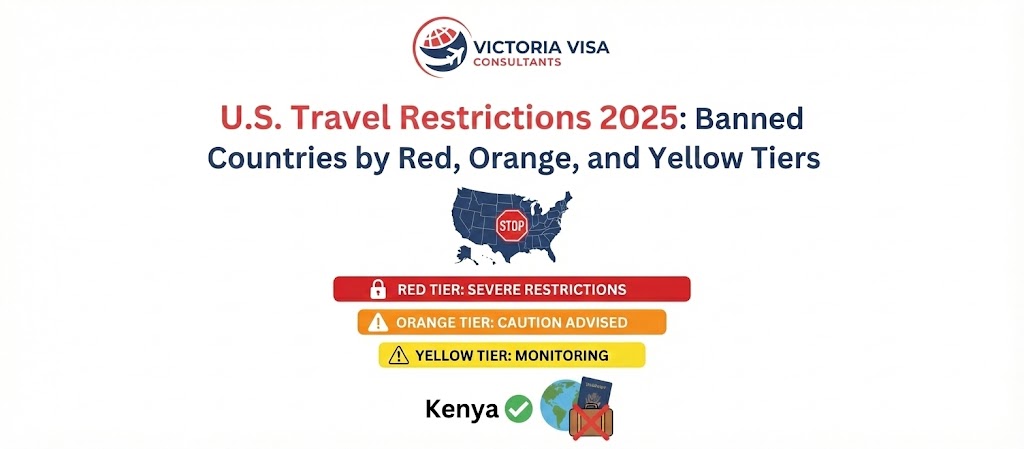
U.S. Travel Restrictions 2025: Banned Countries by Red, Orange, and Yellow Tiers
Is your country on the ban list? Here is a complete Red, Orange, and Yellow country ban list category and what they mean
Dec. 1, 2025, 12:04 p.m. - 5 min read
Post-Study Work Visa Opportunities for International Graduates in 2026
What international graduates need to know about post-study work visa opportunities in 2026
Dec. 1, 2025, 10:50 a.m. - 4 min read
Trump Administration Student Visa Rules: What Kenyan Students Need to Know for 2025-2026
How Trump’s student visa rules affect Kenyan students planning to study in the US